A CLOSER LOOK AT YOUR WORLD
See the problem.Find your
next move.
Turn a photo into a clearer understanding of your object. Explore its visible parts, see the evidence, and decide what to investigate next.
- 01 Add a photo
- 02 Explore the evidence
- 03 Choose your next step
Review your photos before you choose to share them.
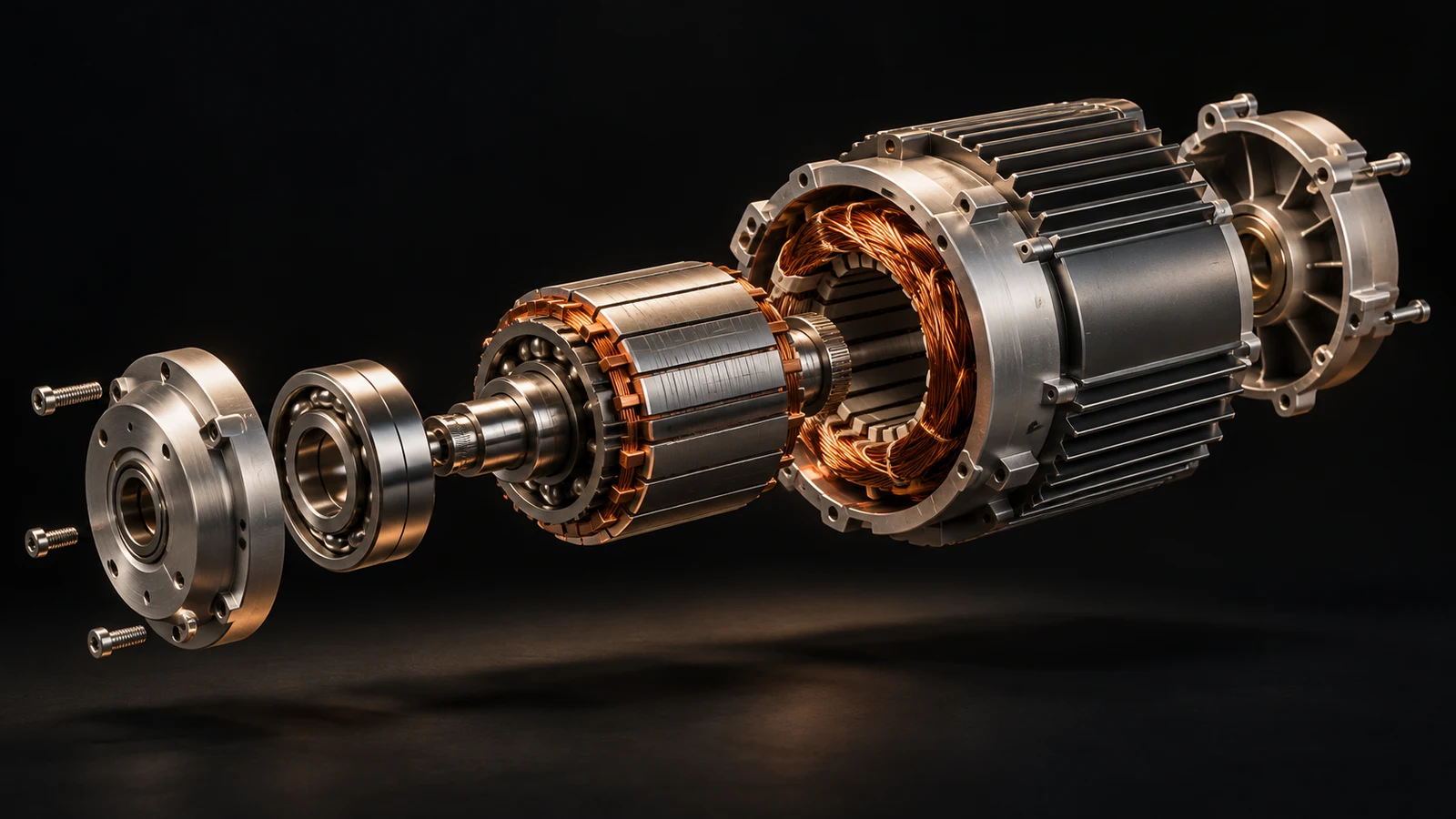
An enclosure gives a mechanism its shape. What is visible is only the beginning of the story.
AI-generated concept artwork · Not a scan or repair instructionLess guessing.
More understanding.
Makers preparing hands-on demonstrations
One object. One principle.
Something you can put to the test.
Explain one everyday mechanism, then test a separate craft study. Keep each explanation linked to the photograph and record what actually happens.
Try the separate stability-study worksheet
- 01Explain a visible part
Point to its evidence and distinguish it from a hidden-part hypothesis.
- 02Make the principle inspectable
Use a source-linked conceptual drawing, not a manufacturing specification.
- 03Compare prediction with observation
Try a separate craft study and record a matching, different or unclear result.
A maker-workshop prototype. Object recognition and proposed activities still need evaluation; physical results and user benefit are not established.
THE EXPLORATION COLLECTION
Ordinary outside.
Extraordinary within.
Explore five recorded photo analyses.
No upload. No new inference request.
THERE’S MORE TO EVERY OBJECT.
Curiosity.
In a different dimension.
From the first detail
to the bigger idea.
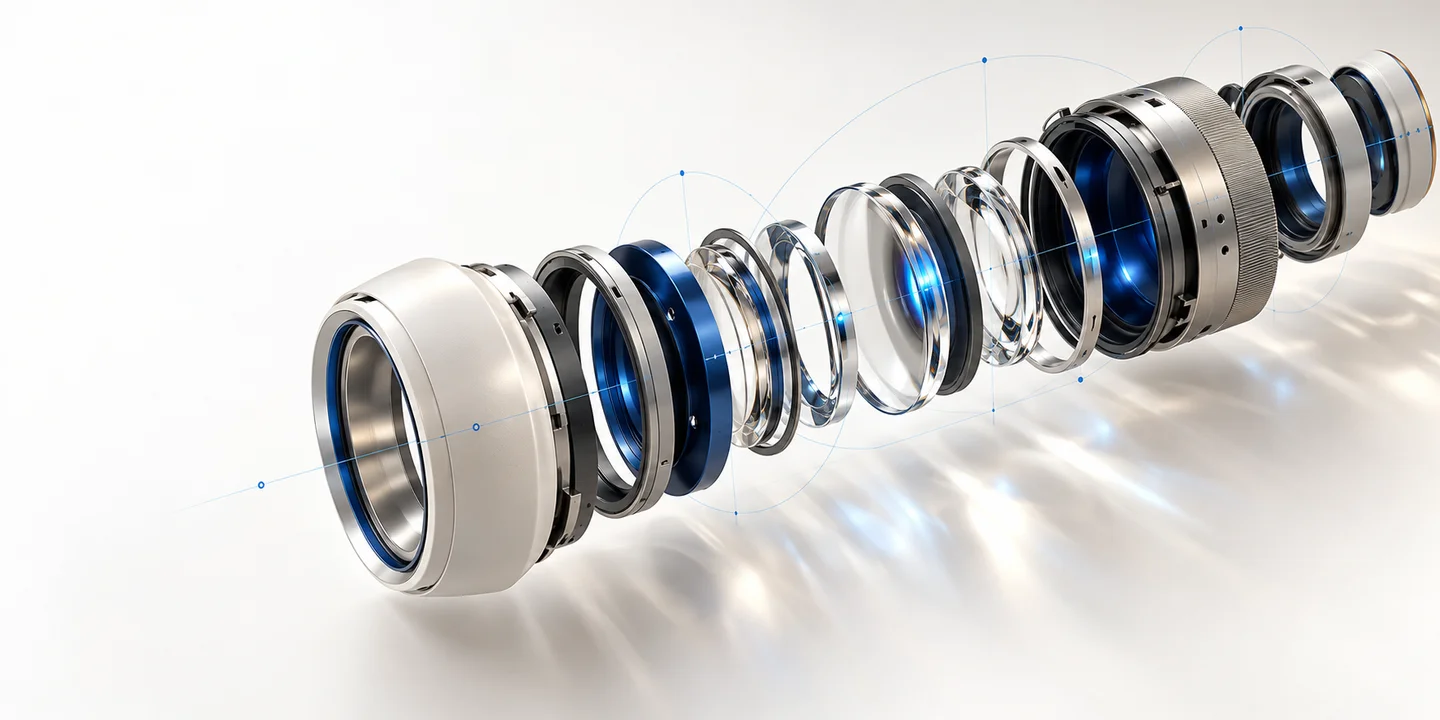
Bring a photo. Explore visible parts and keep their evidence close.
THE BLUEPRINT STUDIO
From a familiar object.
To a sharper understanding.
Study the real photo. Follow the callouts. Explore a technical drawing that keeps evidence in view.
Recorded Meta example · Conceptual, not to scale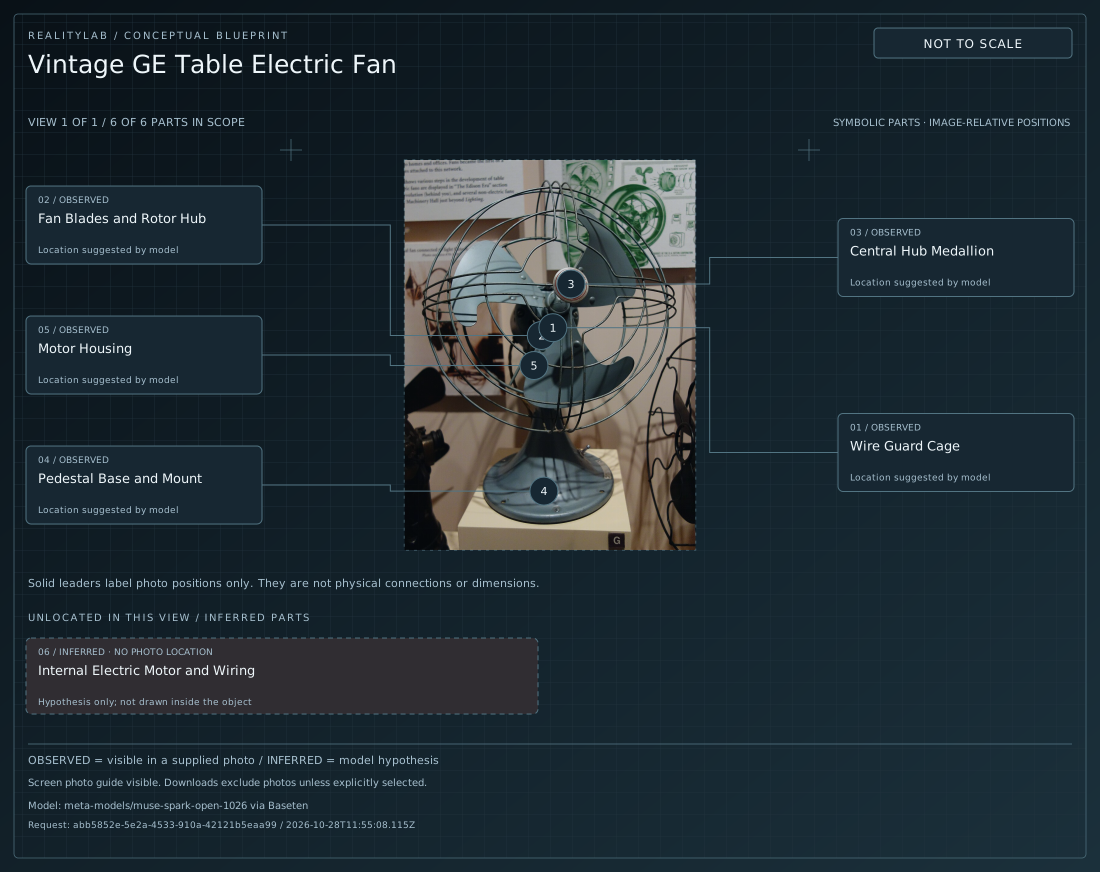
Real model responses, recorded in advance. Opening an example makes no new AI call. Photos: CC0; attribution inside each result.
FROM WHAT TO HOW
A different kind
of closer look.
Observations first. Possibilities second.
Always room for a better question.
Bring an object
Upload a photo or use your camera. A clear view is a good beginning.
Explore its parts
Discover component roles, possible materials, and the connections between them.
Test one principle
Explore a separate craft proposal. Compare its prediction with your actual observation; record failures too.
CURIOSITY IS A GOOD STARTING POINT.
What will you look at differently?
01 / A NEW PERSPECTIVE
Start with
a closer look.
Add one clear photo to begin. You can review it, add another angle, and choose what to investigate before sending anything to AI.
Drop your photos here
or choose them from your device
JPEG or PNG · Up to 3 photos · 5 MB / 20 MP eachYOUR DEMONSTRATION / ONE QUESTION
Choose what to investigate.
Start with a familiar object you can inspect without opening or powering it. Choose one question, or write your own below.
Your choice fills the editable focus below. It does not start an AI request or establish the answer.More exploratory object focuses
Other objects can be explored, with uncertain results.
Exploratory prompts, not verified support categories. Textiles, containers and natural structures have not been broadly evaluated. The photo remains primary evidence.Live AI usage is protected by a shared hourly request limit.